

This month’s Safety Toolkit features a 3-minute micro-training video on winter cold illness, highlighting the signs and symptoms of hypothermia, frostbite, chilblains, and trench foot so crews know when to act and how to stay ahead of dangerous exposure. The video breaks down early warnings, safe warming practices, and what to do when conditions shift. You’ll also find four Toolbox Talks that reinforce key winter topics: working safely in freezing conditions, recognizing cold stress, responding to frostbite and hypothermia, and preventing winter slips and falls.
SMG U Toolbox Talks
Toolbox Talks
Staying safe on a busy jobsite starts with staying aware. Toolbox talks are a simple, effective way to keep safety top of mind—especially when workers are navigating heavy equipment, moving vehicles, and constantly changing conditions. These short, focused briefings help teams recognize risks, reinforce best practices, and meet safety training requirements in a practical, real-world way.
01
Cold Weather Work
Cold temperatures slow reactions and reduce grip strength. This talk highlights proper layering, warming breaks, and how to spot early signs of cold stress. Crews learn how to manage exposure, monitor each other, and stay safe when working in freezing conditions.


02
Cold Stress Awareness
Cold stress can develop quickly in low temperatures or wet gear. This talk explains early symptoms of frostbite, trench foot, and hypothermia, along with practical steps like warm-up rotations and dry layers. Crews learn how to act fast and support each other in winter conditions.


03
Frostbite and Hypothermia
Working at height is routine, but never without risk. This talk outlines fall protection requirements under Subpart R, including controlled decking zones, connectors’ tie-off rules, and safe walking surfaces. Crews review harness inspection, anchor points, and rescue planning to ensure every worker goes home safely at the end of the day.


04
Winter Slip Hazards
Ice and snow make everyday walking surfaces hazardous. This talk covers how to recognize winter slip risks, use proper footwear, and move safely across icy areas. Crews learn simple techniques to stay upright and prevent common cold-weather fall injuries.


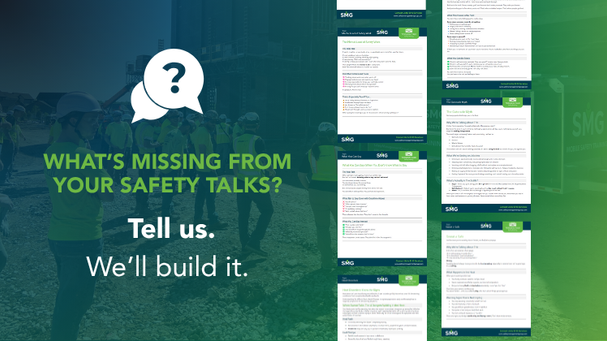
Got another topic in mind? Let us know!
Take a minute to let us know which safety topics matter most to you and your team. Your feedback helps us create toolbox talks and tips that speak to the challenges you're facing right now—on your job, with your crew, in real time.
✅ Check any topics you want more of
✍️ Suggest your own in the box at the bottom
Let’s make safety content that works for you.
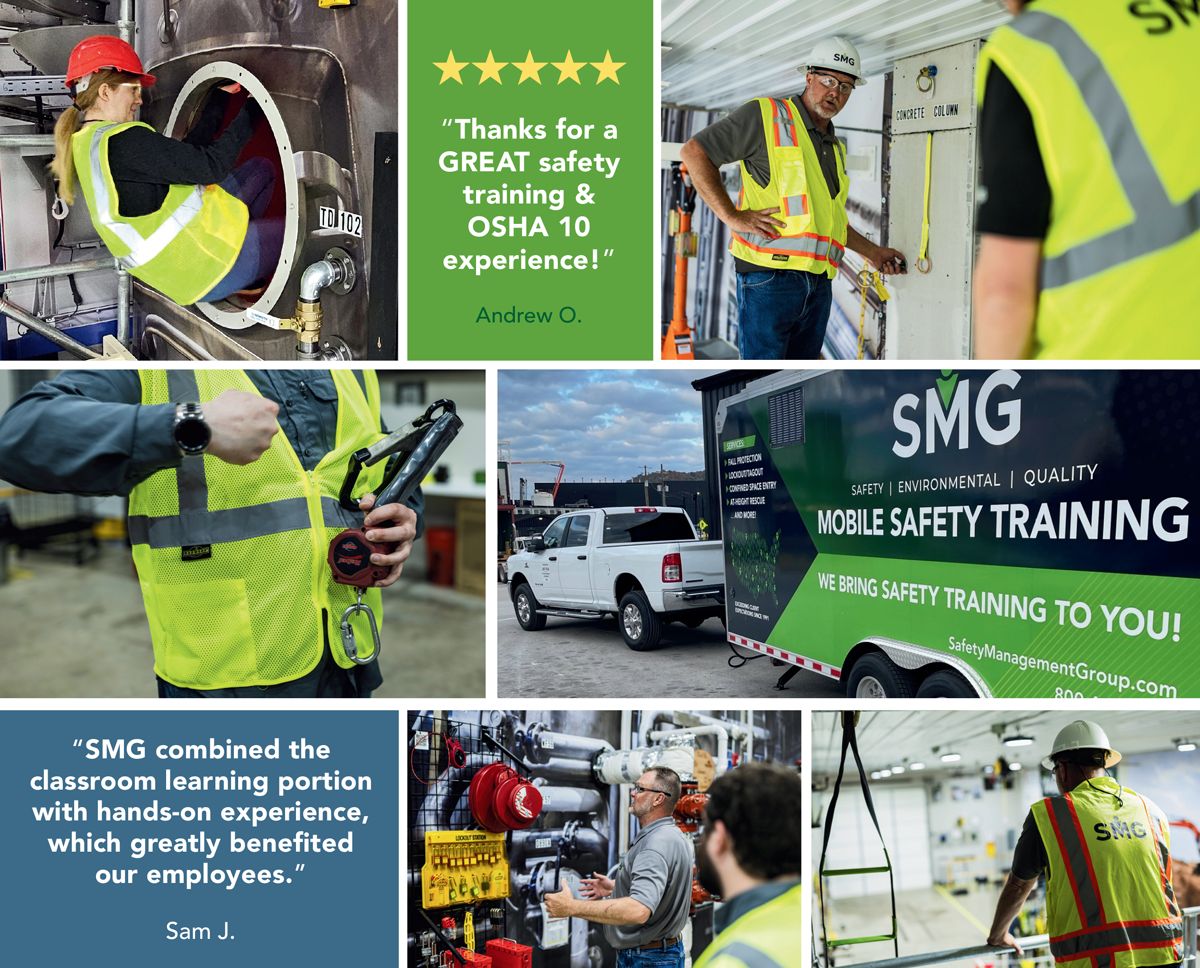
Ground’s frozen? Put the downtime to work.
If the weather’s too cold to get much done on site, bring your crew to the Safety Yard. Winter slowdowns are the perfect time to knock out OSHA courses and hands-on training that keeps your team sharp.
✓ Check the open enrollment schedule
✓ Pick the sessions that fit your downtime
✓ Get your crew trained while the jobsite’s on pause
Make the most of the freeze.
OSHA Resource
Cold Stress Guide
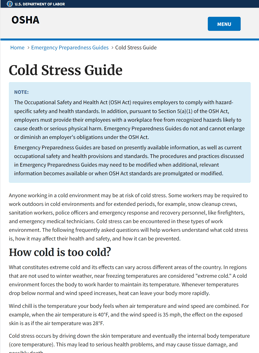
Online OSHA Guide
OSHA’s Cold Stress Guide explains how working in cold environments can threaten a worker’s health and outlines practical ways to prevent cold related illnesses and injuries. It describes how cold temperatures, wind, and moisture affect the body, details conditions such as hypothermia, frostbite, trench foot, and chilblains, and lists the symptoms workers should watch for. The guide emphasizes employer responsibilities under the OSH Act, highlights key risk factors, and provides clear steps for prevention through proper training, engineering controls, safe work practices, and appropriate clothing.
CDC Resource
Working in the Cold
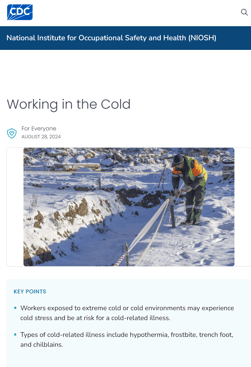
Online CDC Guide
NIOSH’s Cold Stress resource outlines how cold environments can put workers at risk for serious cold related illnesses, including hypothermia, frostbite, trench foot, and chilblains. It explains how cold stress occurs, who is most vulnerable, and how temperatures near or below freezing can quickly drain body heat. The guide provides clear steps for reducing risk, offering specific actions for employers such as scheduling work during warmer periods, providing heated break areas, monitoring at risk workers, and ensuring proper training. It also offers practical advice for workers on protective clothing, safe practices, and monitoring both personal and coworker health. The page includes additional tools, guidance documents, and links to related research to support prevention and early intervention.