

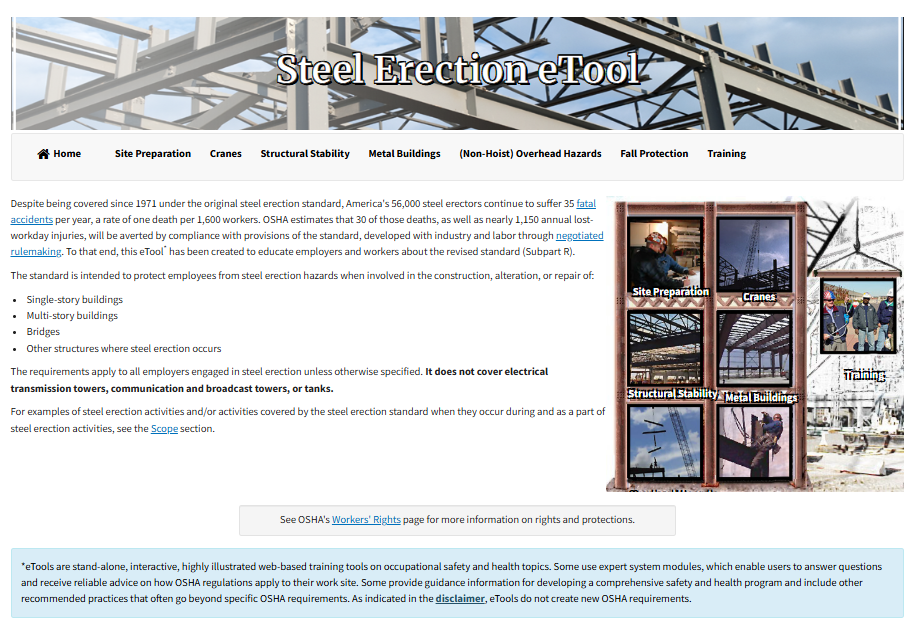
The OSHA Steel Erection eTool is an interactive online resource designed to help employers and workers understand and comply with OSHA’s Steel Erection Standard (29 CFR 1926 Subpart R). Developed through collaboration between industry and labor, the standard aims to prevent fatalities and injuries during the construction, alteration, and repair of steel structures such as buildings and bridges. The eTool provides practical, illustrated guidance on critical topics including site preparation, cranes, structural stability, fall protection, and metal building erection. While the website is temporarily not being updated due to a lapse in federal appropriations, it remains a valuable training and reference tool for promoting safety and reducing risk in steel erection work.
Toolbox Talks
Staying safe on a busy jobsite starts with staying aware. Toolbox talks are a simple, effective way to keep safety top of mind—especially when workers are navigating heavy equipment, moving vehicles, and constantly changing conditions. These short, focused briefings help teams recognize risks, reinforce best practices, and meet safety training requirements in a practical, real-world way.
Preparing for Steel Erection
Preparation sets the tone for every successful steel project. This talk covers pre-lift planning, equipment inspections, and how to verify anchor points, rigging gear, and connection hardware. Crews learn the importance of pre-task meetings, sequencing, and site coordination before the first beam leaves the ground.


Multiple Lift Rigging Procedures
Rigging multiple members saves time but increases risk. This talk explains how to properly configure multiple lift assemblies, inspect chokers and beams, and communicate between riggers and operators. Teams learn to stay within load limits, maintain spacing, and follow OSHA’s multiple lift procedures to keep the job running safely and efficiently.


Fall Protection in Steel Erection
Working at height is routine—but never without risk. This talk outlines fall protection requirements under Subpart R, including controlled decking zones, connectors’ tie-off rules, and safe walking surfaces. Crews review harness inspection, anchor points, and rescue planning to ensure every worker goes home safely at the end of the day.


Metal Building Construction Safety
Metal building erection comes with unique challenges. This talk focuses on proper sequencing, bracing, and bolt tightening, as well as managing stability during installation. Crews learn to avoid collapse hazards, ensure alignment, and follow manufacturer procedures from ground to peak.


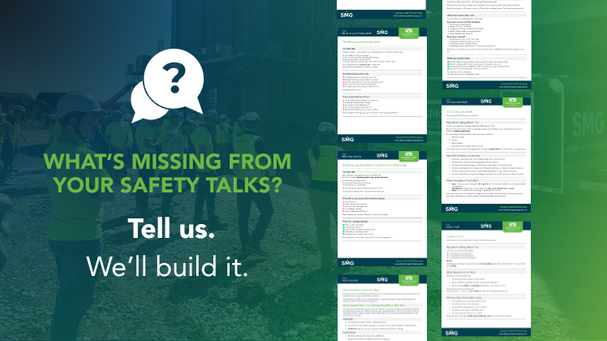
Got another topic in mind? Let us know!
Take a minute to let us know which safety topics matter most to you and your team. Your feedback helps us create toolbox talks and tips that speak to the challenges you're facing right now—on your job, with your crew, in real time.
✅ Check any topics you want more of
✍️ Suggest your own in the box at the bottom
Let’s make safety content that works for you.
Steel Erection eTool
OSHA Steel Erection eTool
OSHA Steel Erection Inspection Guide
Key Requirements for Safe Planning, Rigging, and Construction
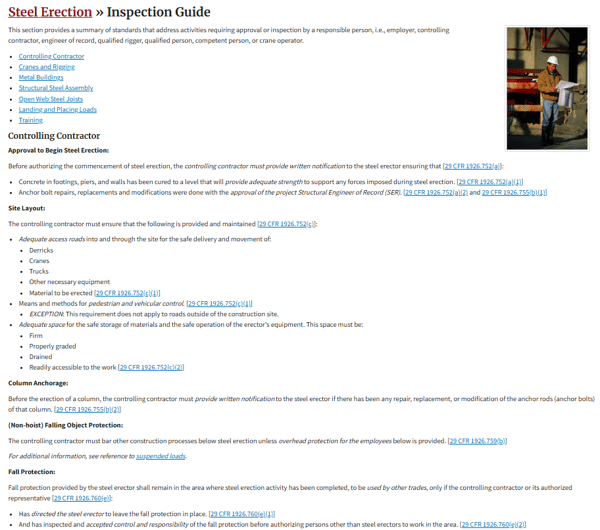
The OSHA Steel Erection Inspection Guide provides detailed guidance for employers, controlling contractors, engineers, and competent persons responsible for overseeing steel erection operations. It summarizes inspection and approval requirements for every stage of steel erection—from site preparation and crane setup to structural assembly and fall protection. The guide outlines responsibilities such as verifying cured concrete strength, inspecting cranes and rigging equipment before each shift, and ensuring written approval for anchor bolt modifications. It also emphasizes the importance of site-specific erection plans, qualified personnel, and proper training for high-risk activities like multiple lifts and decking operations. By following the inspection procedures in 29 CFR 1926 Subpart R, employers can help ensure stability, reduce fall and struck-by hazards, and protect workers throughout the steel erection process.