
SMG U Library

Emergency Response & Preparedness

This month’s Safety Toolkit features a 3-minute micro-training video on emergency preparedness, highlighting fire prevention practices, first aid kit readiness, Emergency Action Plan essentials, and response steps for weather-triggered emergencies so crews know when to act and how to stay ahead of jobsite risks. The video breaks down common hazards, critical response roles, and practical prevention measures to reduce incidents before they escalate. You’ll also find four Toolbox Talks that reinforce key emergency topics: preventing jobsite fires, maintaining compliant first aid kits, understanding evacuation routes and assigned roles, and responding effectively when severe weather or sudden site emergencies occur.




Select the cog wheel to turn on the closed captioning for Spanish subtitles.
SMG U Toolbox Talks

Toolbox Talks

Staying safe on a busy jobsite starts with staying aware. Toolbox talks are a simple, effective way to keep safety top of mind—especially when workers are navigating heavy equipment, moving vehicles, and constantly changing conditions. These short, focused briefings help teams recognize risks, reinforce best practices, and meet safety training requirements in a practical, real-world way.
01

Weather-Triggered Emergencies

Severe weather and sudden site changes can escalate quickly. This talk highlights evacuation procedures, muster points, emergency equipment locations, and response planning for lightning, high winds, and other extreme conditions. Crews learn how to prepare ahead of time and rely on training when conditions shift without warning.

02

Emergency Action Planning

In a crisis, clarity saves lives. This talk reviews evacuation routes, emergency contacts, assigned response roles, and the importance of regular drills. Crews learn how to understand their site’s Emergency Action Plan, stay coordinated under pressure, and respond confidently when unexpected events occur.

03

First Aid Kit Readiness

When injuries happen, preparation makes the difference. This talk explains proper first aid kit stocking, ANSI/ISEA 2021 updates, inspection requirements, and the importance of trained responders on every shift. Crews learn how to maintain compliant kits, report injuries promptly, and act quickly when seconds matter.

04

Fire Prevention Basics

A single spark can turn into a jobsite emergency in seconds. This talk covers hot work precautions, safe fueling practices, extinguisher readiness, and keeping exit routes clear. Crews learn how to spot fire risks early, protect their work areas, and prevent small mistakes from becoming major incidents.

Marketing Ad  Monthly Safety Content (MSC) (2)-png


What if your safety plan didn't start over with every project? 

Every new job shouldn't mean rebuilding your safety approach from scratch.

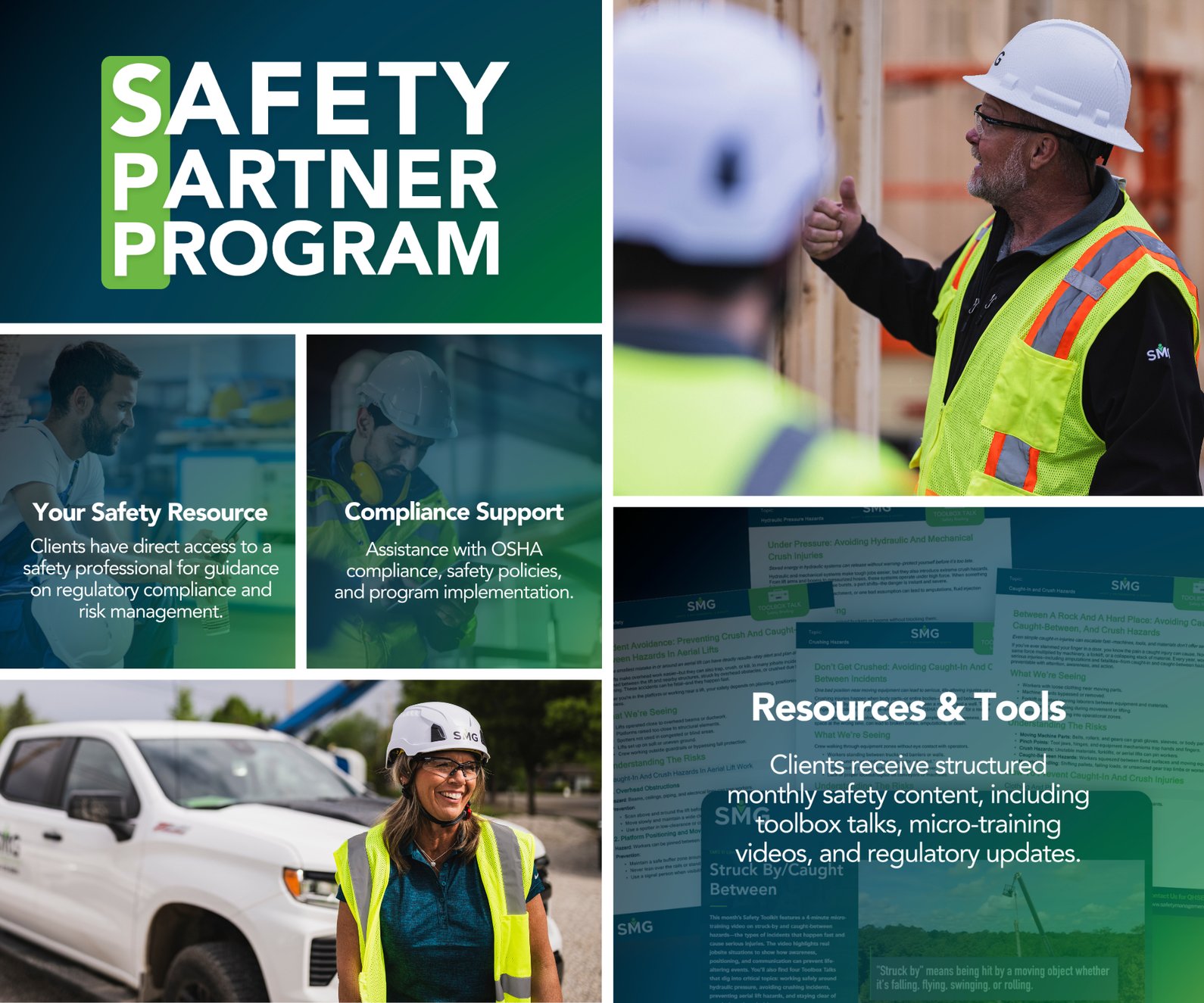
With the Safety Partner Program (SPP), you get consistent oversight, steady support, and a safety strategy that carries from one project to the next. No resets. No scrambling. No reinventing policies under pressure.

✓ Ongoing program support that stays with you
✓ Consistent documentation and compliance tracking
✓ A trusted safety partner who knows your operation
✓ Field support when and where you need it

Stop rebuilding. Start building on what works.


Links to Free OSHA Resources
OSHA Resource

Narrow Frame Scaffold Safety


OSHA Fact Sheet

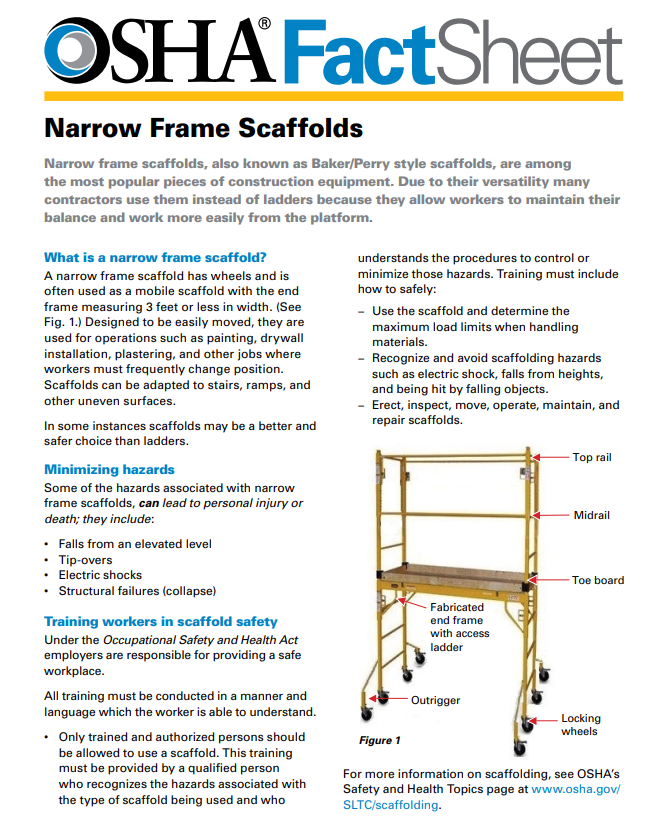
This OSHA-3722 fact sheet provides clear, practical guidance on the safe use of narrow frame scaffolds, a common type of mobile scaffold used in construction tasks such as painting, drywall installation, and plastering. It explains what narrow frame scaffolds are, identifies key hazards like falls, tip-overs, and electrical shock, and outlines essential safety practices employers must follow to protect workers. It includes information on proper training, scaffold inspection, load limits, guardrails and fall protection, wheel locking, and safe movement practices.

OSHA Resource

Scaffold Safety


Scaffold Use in the Construction Industry

OSHA 3150: A Guide to Scaffold Use in the Construction Industry is a comprehensive PDF booklet published by OSHA that helps employers and workers understand and apply scaffold safety requirements. The guide explains common provisions of OSHA’s scaffold standards, addresses frequent questions about compliance, and highlights key hazard areas and safety practices. The publication also includes references to the actual regulatory text and an index for quick look-ups, making it a practical supplemental resource to the official standards for improving scaffold safety in construction.

OSHA Resource

Scaffold Safety


Scaffolding eTool

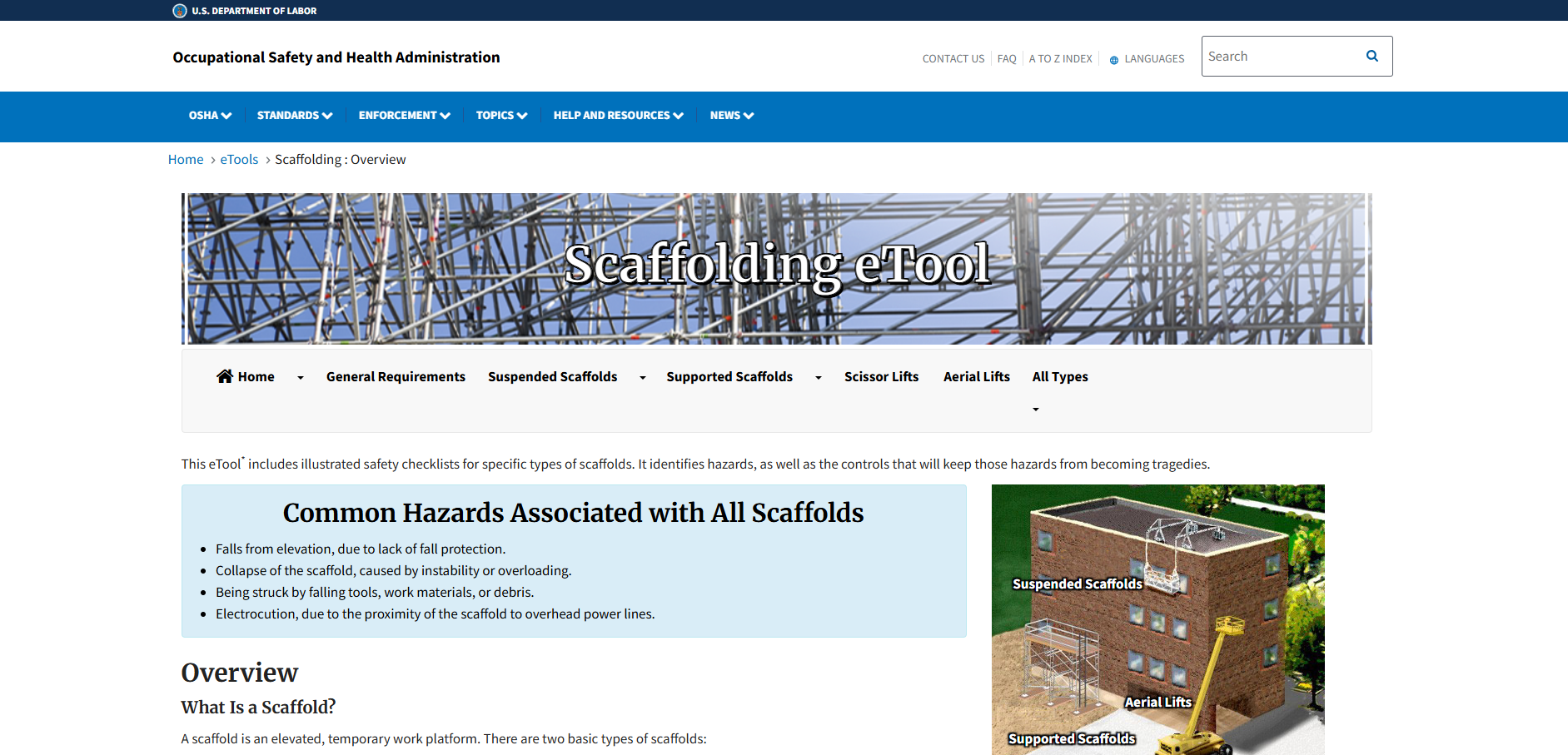
OSHA’s Scaffolding eTool is an interactive, web-based guide designed to help employers and workers understand safe scaffold use in construction. It provides easy-to-navigate information on scaffold hazards, OSHA requirements, and recommended control measures; covering topics like scaffold types, fall protection, safe access, proper setup, inspections, and training responsibilities. It’s a practical resource for improving jobsite compliance and reducing the risk of falls, collapses, and struck-by incidents.

Contact us

whatsmissingtbt


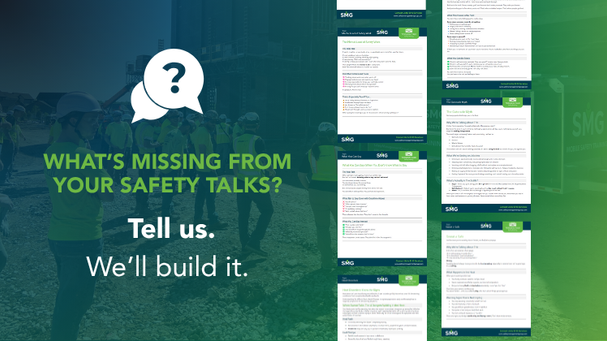
Got another topic in mind? Let us know!

Take a minute to let us know which safety topics matter most to you and your team. Your feedback helps us create toolbox talks and tips that speak to the challenges you're facing right now—on your job, with your crew, in real time.

✅ Check any topics you want more of
✍️ Suggest your own in the box at the bottom

Let’s make safety content that works for you.