
SMG U Library

Job Hazard Analysis

This month’s Safety Toolkit features a 3-minute micro-training video about hazard awareness, fire prevention, and taking action before an incident occurs. The video highlights how recognizing changing conditions, following safe work practices, and staying prepared can help prevent injuries and emergencies on the job. You’ll also find eight Toolbox Talks covering JHA procedures, general site practices, accident investigations, JHA execution gaps, fire classes and suppression methods, fire prevention, hot work operations, and proper fire extinguisher use. 

 

Select the cog wheel to turn on the closed captioning for Spanish subtitles.
SMG U Toolbox Talks

Construction Toolbox Talks

Staying safe on a busy jobsite starts with staying aware. Toolbox talks are a simple, effective way to keep safety top of mind—especially when workers are navigating heavy equipment, moving vehicles, and constantly changing conditions. These short, focused briefings help teams recognize risks, reinforce best practices, and meet safety training requirements in a practical, real-world way.
01

Hazard Identification Process

A strong JHA helps crews identify hazards before work begins. This talk walks through breaking a job into steps, identifying hazards, applying effective controls, and selecting the right PPE. Crews learn how to make JHAs specific and actionable so serious hazards are addressed before the task starts.

02

Work Area Awareness

Everyday site conditions can create serious risks when awareness slips. This talk covers PPE use, clear access routes, overhead work, coordination between trades, and equipment inspections. Crews learn practical ways to stay alert, communicate hazards, and take action when something on the jobsite isn’t right. 

03

Accident Investigation

Accident investigations help uncover what happened and prevent it from happening again. This talk covers securing and documenting the scene, gathering witness statements, reviewing records, and identifying underlying causes. Crews learn why focusing on facts and corrective actions is essential to preventing repeat incidents. 

04

JHA Execution Gaps

A JHA only works when crews take the process seriously. This talk examines common breakdowns like rushing through hazards, reusing old plans, and failing to update the JHA when conditions change. Crews learn how participation, communication, and task-specific planning turn paperwork into an effective safety tool. 

Marketing Ad  Monthly Safety Content (MSC) (2)-png


What if your safety plan didn't start over with every project? 

Every new job shouldn't mean rebuilding your safety approach from scratch.

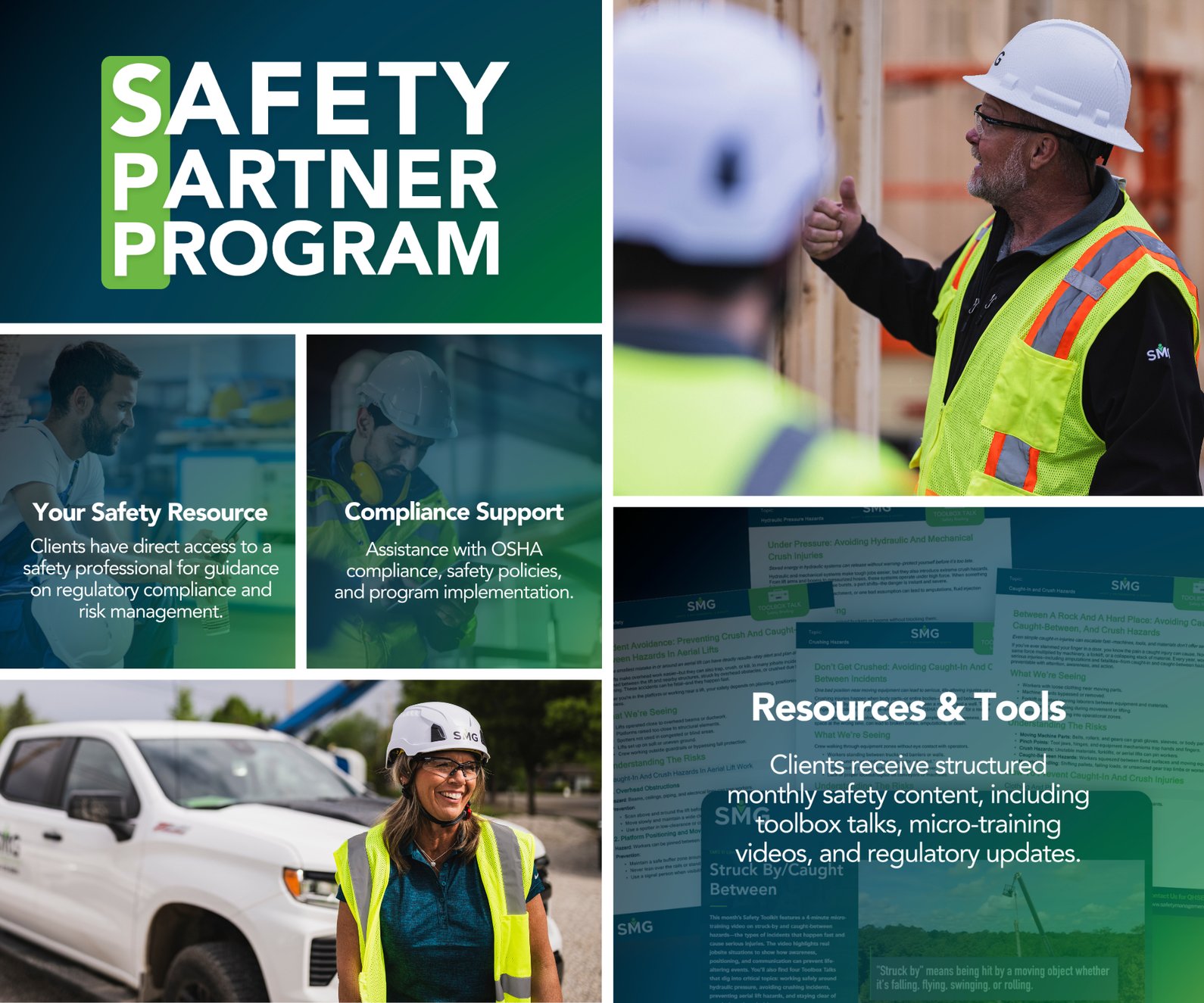
With the Safety Partner Program (SPP), you get consistent oversight, steady support, and a safety strategy that carries from one project to the next. No resets. No scrambling. No reinventing policies under pressure.

✓ Ongoing program support that stays with you
✓ Consistent documentation and compliance tracking
✓ A trusted safety partner who knows your operation
✓ Field support when and where you need it

Stop rebuilding. Start building on what works.

SMG U Toolbox Talks

Admin Toolbox Talks

Office safety depends on more than avoiding obvious hazards, it starts with everyday awareness. These Toolbox Talks are a simple and effective way to keep safety top of mind by addressing the risks found in offices, break rooms, and shared workspaces. These briefings help employees recognize electrical and fire hazards, reinforce safe workplace habits, and promote a safer environment through practical, real-world guidance.
01

Fire Classes

Not every fire should be fought the same way. This talk explains the fire tetrahedron, different fire classes, and how to select the appropriate extinguisher for each hazard. Crews also review the PASS method and when conditions require immediate evacuation rather than attempting to fight the fire. 


02

Fire Prevention Basics

Fire prevention starts long before flames appear. This talk covers common risks from hot work, smoking, refueling, blocked exits, and improperly maintained extinguishers. Crews learn practical steps for controlling combustibles, keeping escape routes clear, and maintaining fire protection equipment before an emergency occurs. 


03

Hot Work

Hot work can create fire hazards that remain long after the task ends. This talk covers Fire Hazard Assessments, hot work permits, fire watches, combustible control, and atmospheric testing. Crews learn how planning, barriers, monitoring, and follow-up help control sparks, heat, and hidden ignition hazards. 


04

Fire Extinguisher Use

Knowing how to use an extinguisher can make a critical difference during a fire. This talk walks crews through the PASS method—Pull, Aim, Squeeze, and Sweep—along with selecting the correct extinguisher and maintaining an escape route. Crews also learn when conditions require evacuation instead of attempting to fight the fire. 


Links to Free OSHA Resources
OSHA Resource

Job Hazard Analysis Guide

OSHA Guide

OSHA’s Job Hazard Analysis guide provides practical guidance for identifying and addressing workplace hazards before they result in injuries or illnesses. It explains how to break jobs into individual tasks, recognize potential hazards, and determine effective controls to help employers and workers create safer work practices.

OSHA Resource

Fire Safety

OSHA's Fire Safety Page

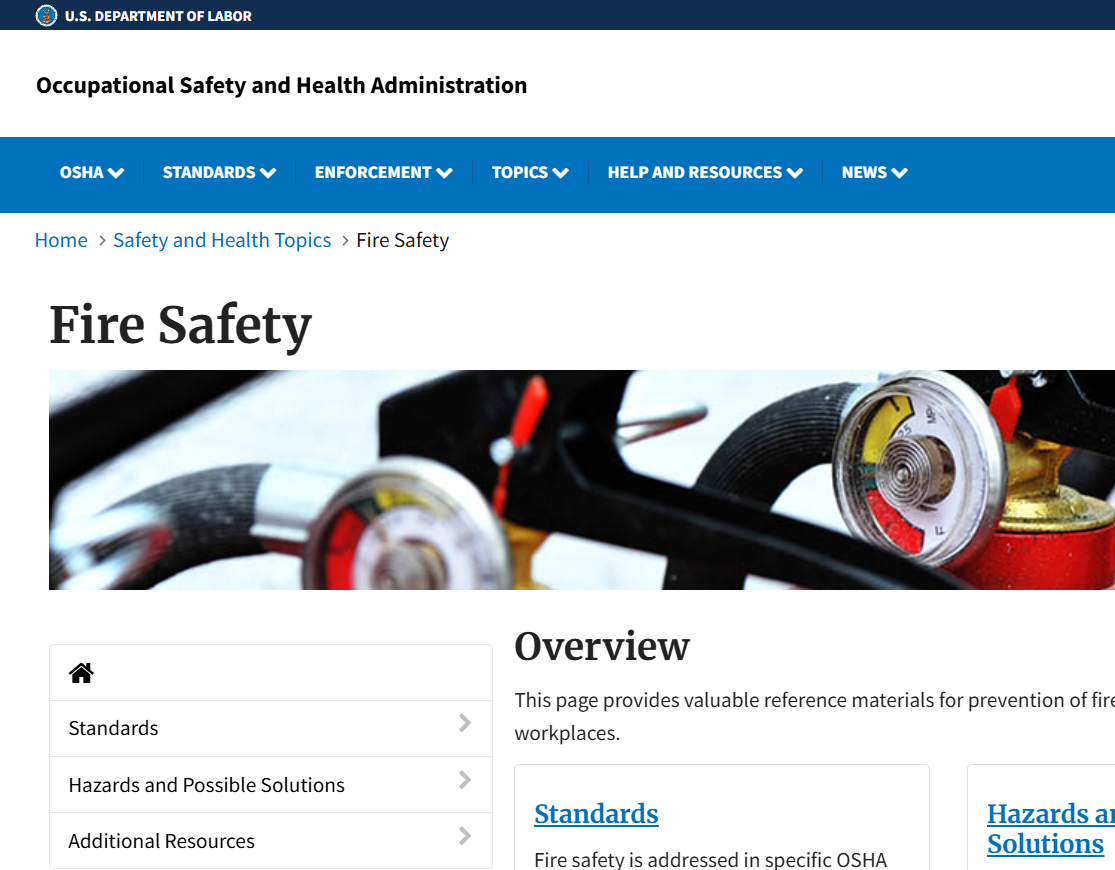
 OSHA’s Fire Safety resource provides guidance for preventing and responding to workplace fires. It covers common fire hazards, fire prevention and protection, emergency planning, portable fire extinguishers, and applicable OSHA standards to help employers and workers reduce fire risks and prepare for emergencies. 

OSHA Resource

Emergency Standards: Portable Fire Extinguishers

OSHA Evacuation Plans and Procedures eTool

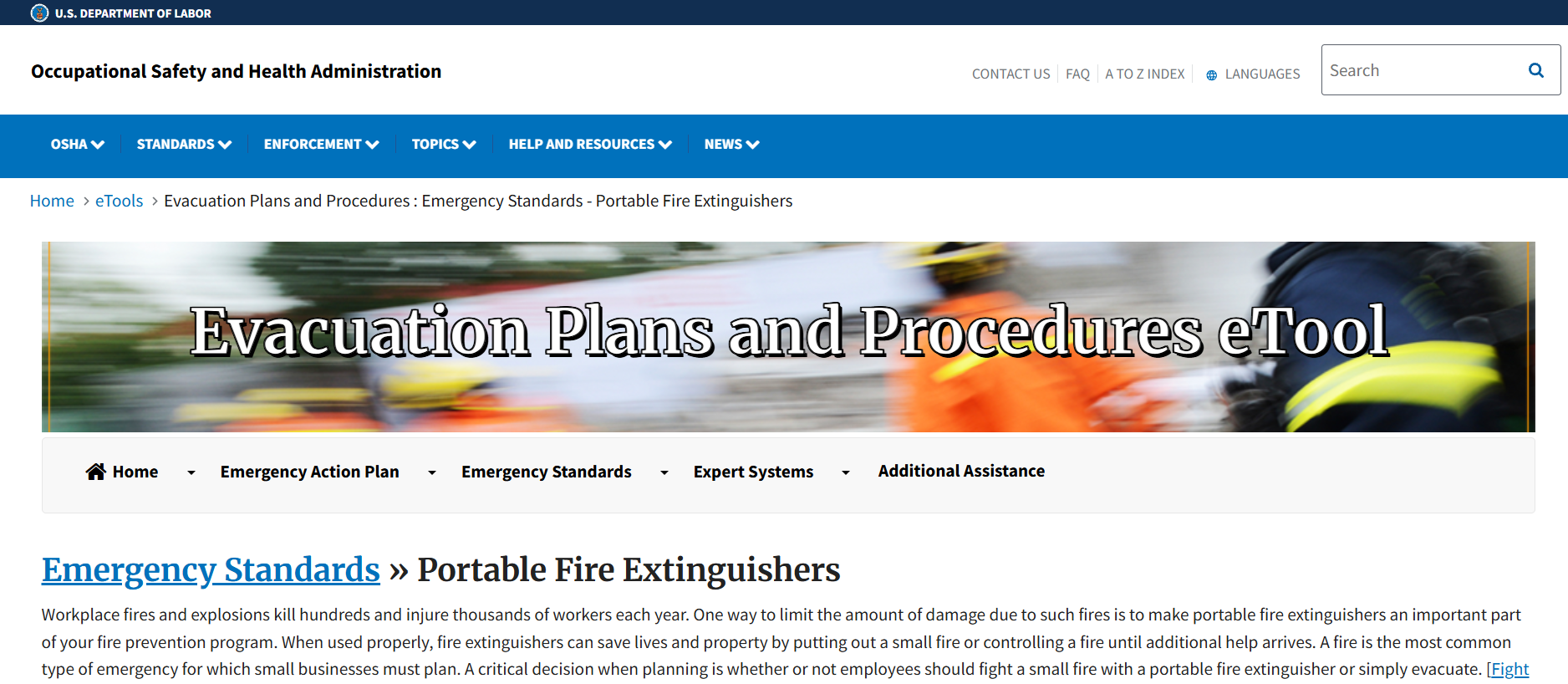
OSHA’s Portable Fire Extinguishers eTool provides guidance on workplace requirements for selecting, placing, inspecting, maintaining, and using portable fire extinguishers. It also covers employee training and helps employers understand when extinguishers are required as part of an emergency action and fire prevention program. 

Contact us

whatsmissingtbt


Got another topic in mind? Let us know!

Take a minute to let us know which safety topics matter most to you and your team. Your feedback helps us create toolbox talks and tips that speak to the challenges you're facing right now—on your job, with your crew, in real time.

✅ Check any topics you want more of
✍️ Suggest your own in the box at the bottom

Let’s make safety content that works for you.