
SMG U Library

Mental Health & Resilience

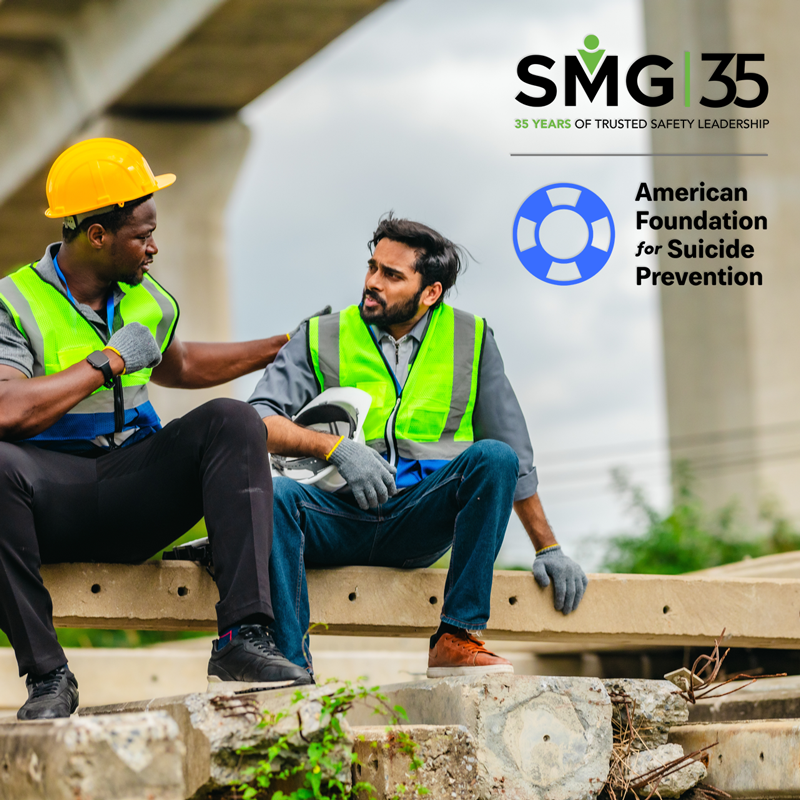
This month’s Safety Toolkit features a 4-minute micro-training video focused on mental health in the workplace highlighting the importance of recognizing when someone is struggling, having real conversations, and understanding the mental load carried by both crews and leaders. The video reinforces how mental wellbeing directly impacts focus, decision-making, and overall jobsite safety. You’ll also find four Toolbox Talks that expand on these themes: supporting a teammate in distress, mental health as a safety risk, having the right conversations on site, and managing fatigue to reduce risk and keep crews operating safely.

 

Select the cog wheel to turn on the closed captioning for Spanish subtitles.
Mental-Health-Webinar-2026

Join us on Wednesday, May 20, 2026 at 11 AM ET for a presentation offering practical guidance on mental health topics.

•  Recognizing mental health challenges in the workplace
•  Supporting at-risk individuals especially in high-risk industries like construction
•  Connecting workers to the resources they need

SMG U Toolbox Talks

Toolbox Talks

Staying safe on a busy jobsite starts with staying aware. Toolbox talks are a simple, effective way to keep safety top of mind—especially when workers are navigating heavy equipment, moving vehicles, and constantly changing conditions. These short, focused briefings help teams recognize risks, reinforce best practices, and meet safety training requirements in a practical, real-world way.
01

Fatigue Avoidance

Fatigue slows reaction time, reduces focus, and increases the risk of serious incidents. This talk covers how long hours, poor sleep, and physical strain impact performance and decision-making. Crews learn to recognize signs of fatigue, use rest and rotation strategies, and speak up when they’re not fit for work to keep themselves and others safe.

02

The Mental Load of Safety Work

Safety leaders carry constant responsibility, and that pressure adds up. This talk explores how mental load affects focus, decision-making, and overall performance in leadership roles. Supervisors and crew leads learn to recognize signs of overload, build habits to reset and recover, and support one another to stay sharp and effective on the job.

03

Supporting Conversations

Knowing what to say can make all the difference when someone is struggling. This talk provides practical guidance on how to respond with empathy, avoid dismissive language, and create space for open conversations. Crews learn how to listen effectively, build trust, and support teammates without needing to have all the answers.

04

It’s OK to Not Be OK

Mental health affects how we think, react, and communicate on the job. This talk highlights how stress, burnout, and distraction can lead to mistakes and incidents if left unaddressed. Crews learn to recognize early signs in themselves and others, speak up before issues escalate, and create a culture where mental wellbeing is treated as part of overall safety performance.

Marketing Ad  Monthly Safety Content (MSC) (2)-png


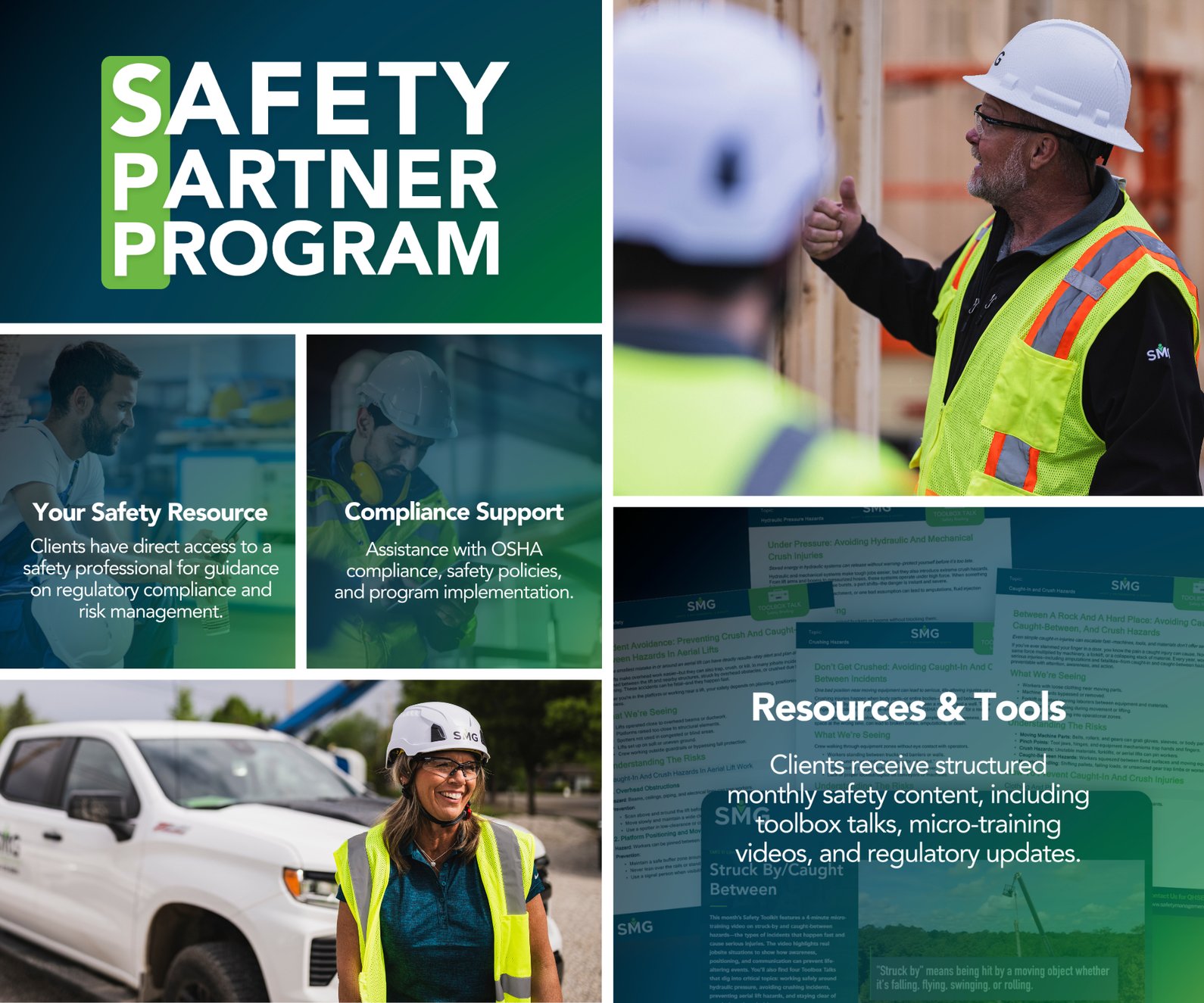
What if your safety plan didn't start over with every project? 

Every new job shouldn't mean rebuilding your safety approach from scratch.

With the Safety Partner Program (SPP), you get consistent oversight, steady support, and a safety strategy that carries from one project to the next. No resets. No scrambling. No reinventing policies under pressure.

✓ Ongoing program support that stays with you
✓ Consistent documentation and compliance tracking
✓ A trusted safety partner who knows your operation
✓ Field support when and where you need it

Stop rebuilding. Start building on what works.


Links to Free OSHA Resources
OSHA Resource

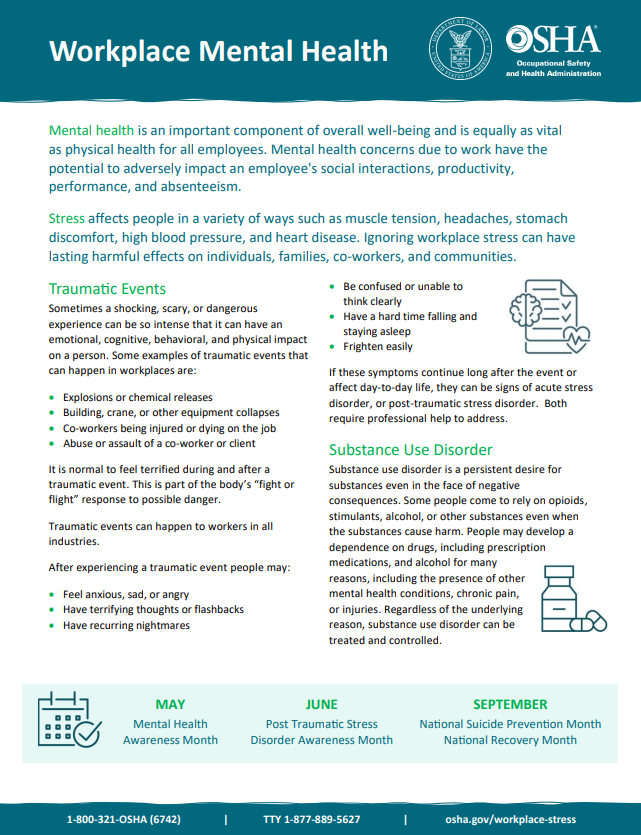
Workplace Mental Health


OSHA Fact Sheet

OSHA Workplace Mental Health Fact Sheet (OSHA 4395) is a publication developed by OSHA to raise awareness of mental health challenges and promote supportive work environments. The fact sheet highlights key risk factors such as stress, fatigue, substance use, and traumatic events, and emphasizes prevention methods including open communication, access to resources, and supportive leadership. 

OSHA Resource

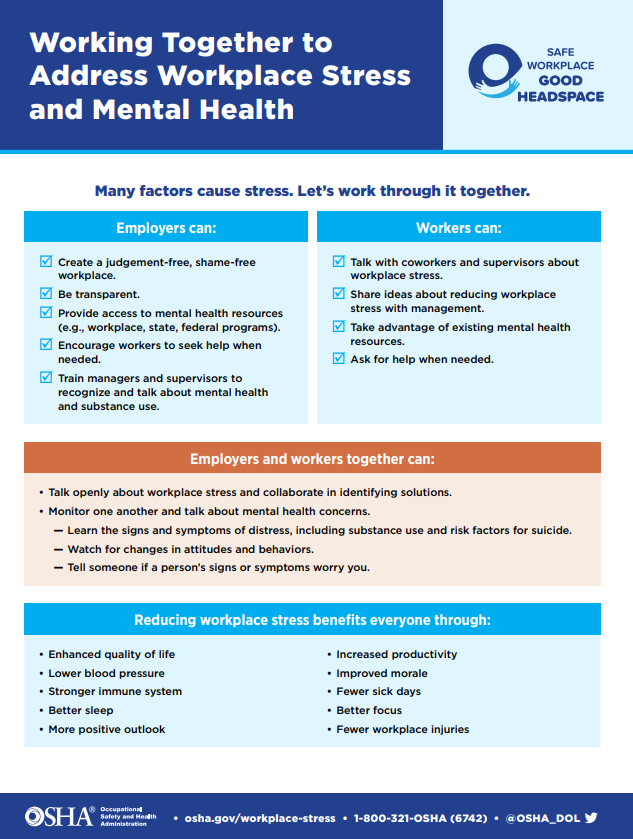
Workplace Stress & Mental Health

OSHA Poster

OSHA's “Working Together to Address Workplace Stress and Mental Health” Poster is a resource created to encourage collaboration between employers and workers in addressing workplace stress and mental health challenges. The poster highlights shared responsibilities, including recognizing signs of distress, monitoring changes in behavior, and fostering open conversations about mental health. 


OSHA Resource

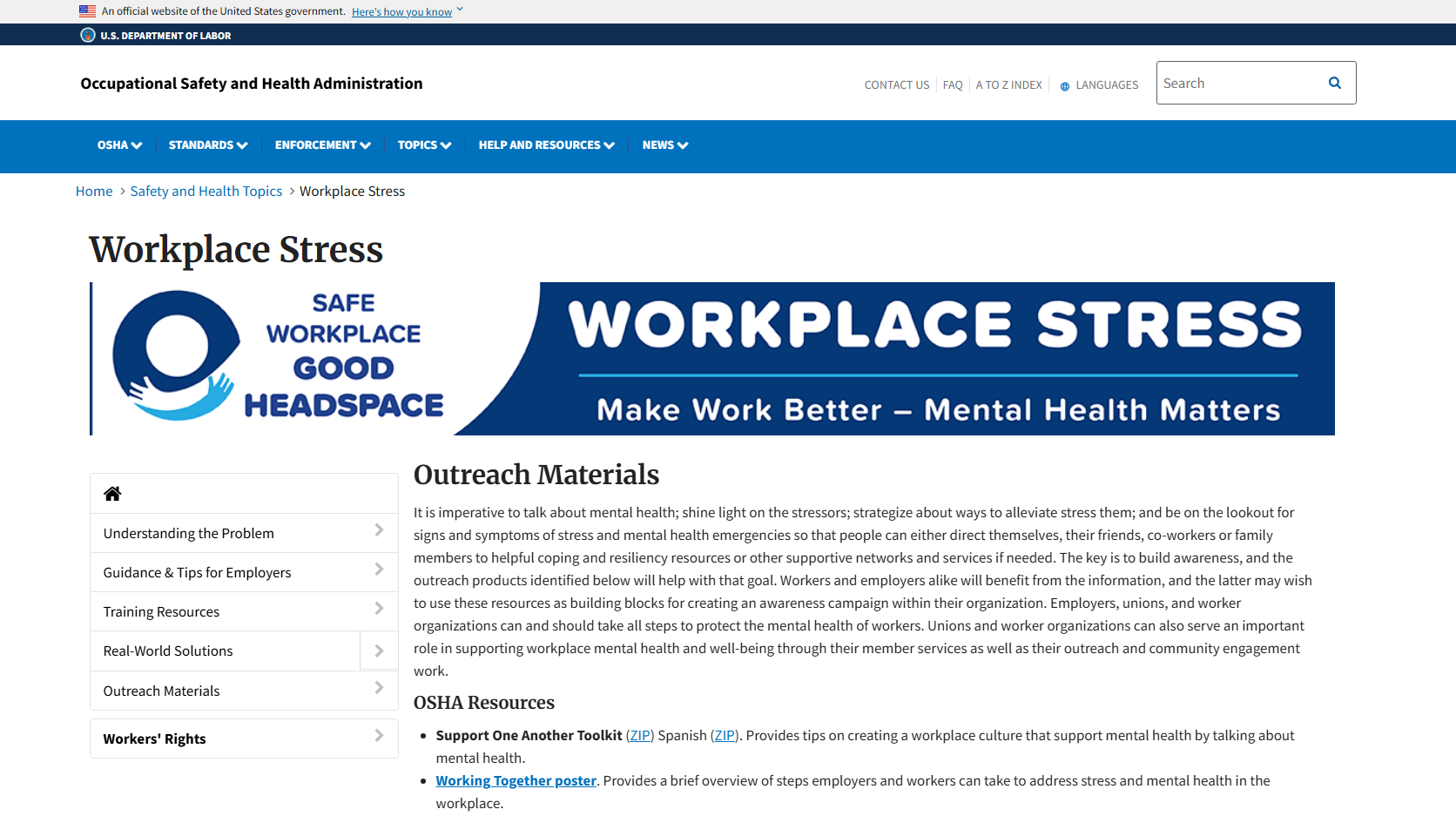
Workplace Stress Outreach Materials

OSHA Resource Page

OSHA's Workplace Stress Outreach Materials are a collection of resources made to raise awareness of mental health and stress in the workplace and promote supportive practices. These materials highlight key risk factors such as job stress, fatigue, and mental health challenges, and emphasize prevention methods including open communication, recognizing warning signs, and providing access to support resources. 

Contact us

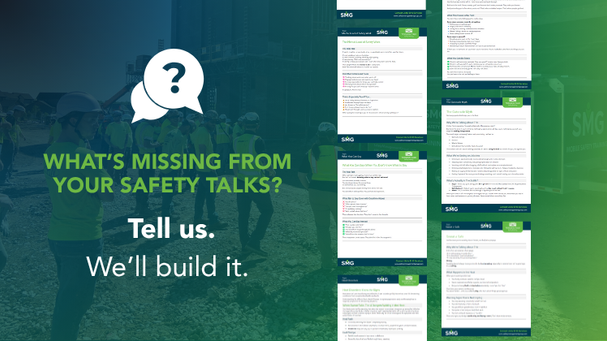
whatsmissingtbt


Got another topic in mind? Let us know!

Take a minute to let us know which safety topics matter most to you and your team. Your feedback helps us create toolbox talks and tips that speak to the challenges you're facing right now—on your job, with your crew, in real time.

✅ Check any topics you want more of
✍️ Suggest your own in the box at the bottom

Let’s make safety content that works for you.